
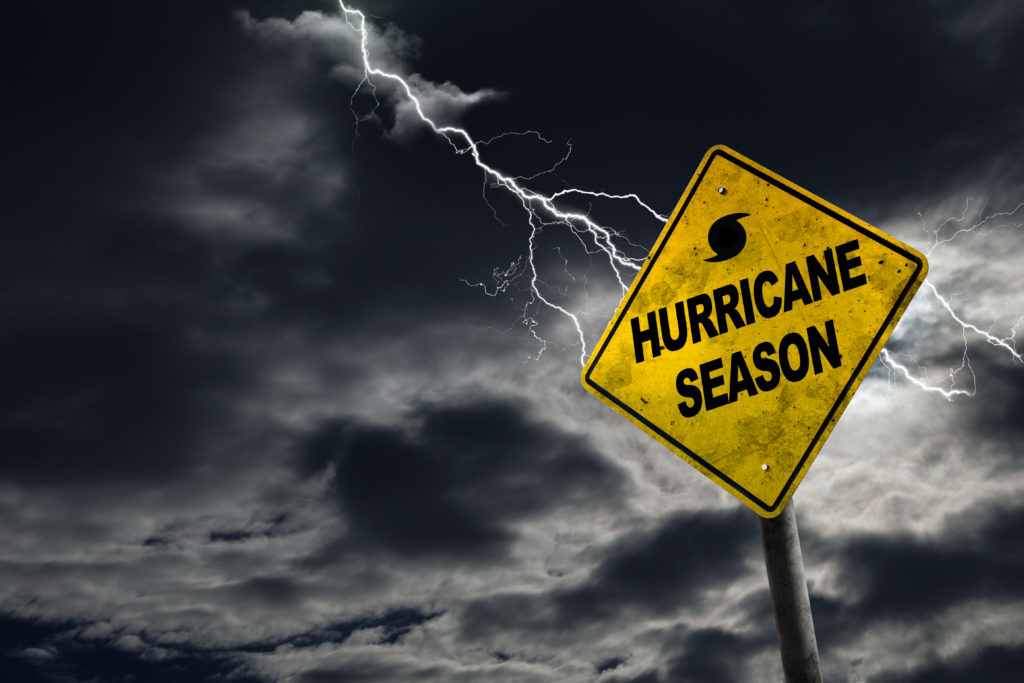
Type Belize into a flight search between June and November and the question follows naturally: what about hurricanes? It is a fair question, and travelers deserve a straight answer rather than brochure reassurance or alarmist weather lore.
So here is the honest guide: when hurricane season runs, what it actually means for a Belize trip, how often storms genuinely affect the country, and how smart travelers plan around the season, often saving serious money in the process.
The dates and the shape of the season
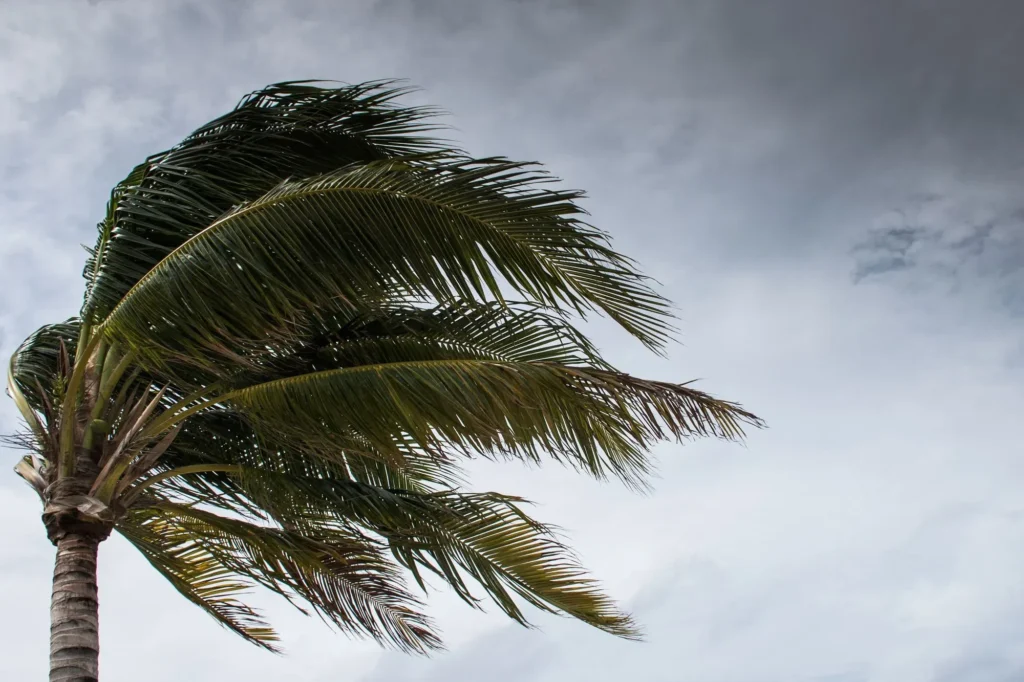
The Atlantic hurricane season officially runs from June 1 through November 30, and Belize sits within the Atlantic basin, so those are the dates on paper. In practice, the season has a shape: the early months of June and July rarely produce storms that affect Belize, activity historically peaks from August through October, and the season winds down through November before the dry season arrives.
Important context: hurricane season is not rain season branding. It overlaps with Belize’s green season, but most of what falls from the sky in those months is ordinary tropical rain, afternoon showers, overnight downpours, and the occasional gray day, not cyclones.
How often do hurricanes actually affect Belize?
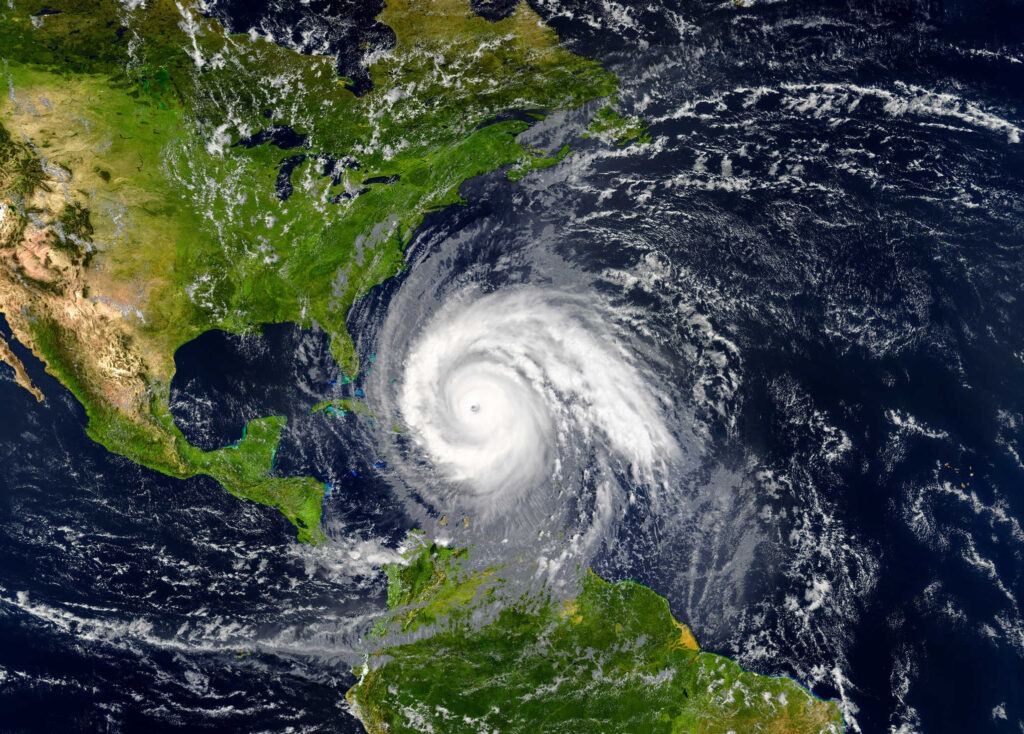
Less often than many travelers assume. Belize sits toward the southern edge of the main Atlantic hurricane track, and direct hits are relatively infrequent compared to destinations in the northern Caribbean. Many seasons pass with no significant storm affecting the country at all, and most seasons’ named storms live and die far from Belizean shores.
That said, honesty requires the other half: storms have reached Belize, and they will again. The country takes preparedness seriously, with established warning systems, building standards shaped by experience, and a tourism industry practiced at communicating clearly when weather threatens. The realistic picture is not zero risk. It is modest risk, well managed, and heavily concentrated in a few peak weeks.
What the season means for your trip, practically

For travelers, hurricane season translates into three practical rules. First, buy travel insurance that covers weather disruption, typically a small percentage of the trip cost, and the entire worry evaporates into a line item. Second, book flexibly: deal directly with your accommodations, confirm their change policies in writing, and favor properties that answer questions clearly and personally. Third, stay aware the week before travel: forecasts give days of notice, not hours, and storms are tracked long before they matter.
Do those three things and the season becomes what it actually is for most visitors: a quieter, greener, cheaper version of Belize with a small asterisk.
The reward side: why some travelers prefer the season

Hurricane season overlaps almost exactly with Belize’s low season, and the overlap is the opportunity: accommodation rates at their friendliest, flights cheaper, sites uncrowded, the rainforest at its deepest green, rivers and waterfalls running full, and the mid summer dry spell in August delivering surprising stretches of sunshine. Travelers who understand the real risk profile, modest, insurable, forecastable, collect the savings that nervous travelers leave on the table.
And November deserves a special note: the season’s final month is statistically quiet, the weather is turning toward dry season form, and prices have not yet climbed to winter levels. It may be the smartest few weeks on the Belize calendar.
Where you stay matters: the inland advantage
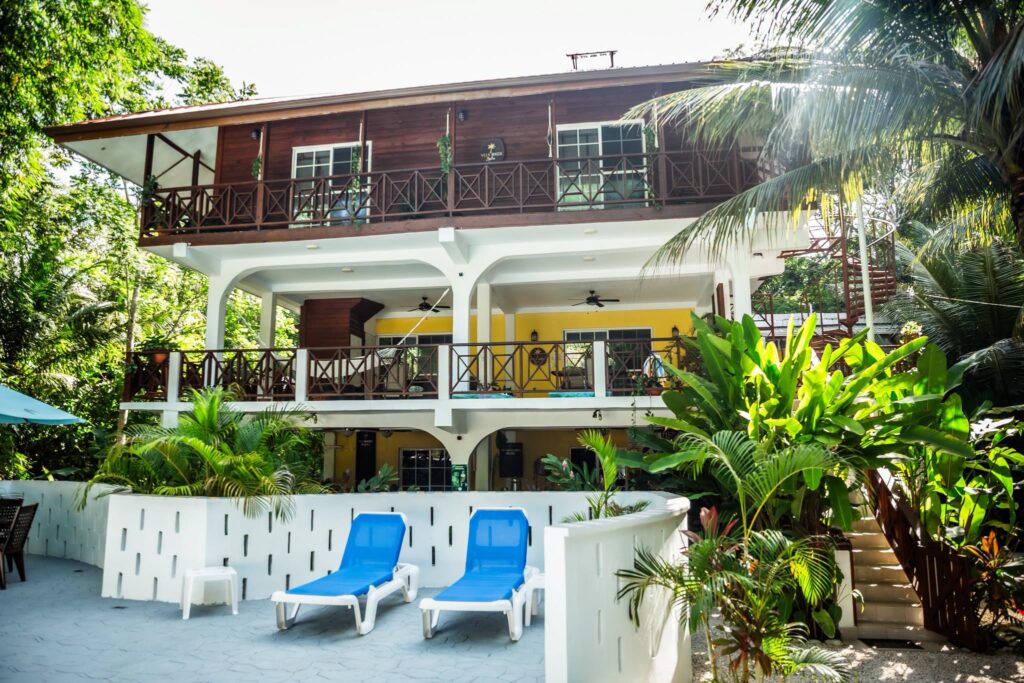
Geography shapes the experience of any weather event, and inland western Belize holds a structural advantage: the Cayo District sits roughly two hours from the coast, beyond the reach of coastal surge and the first force of any storm arriving from the sea. Weather inland during the season mostly means rain, full rivers, and dramatic green, which is why Cayo has long been the green season traveler’s half of the country.
Villa Massis, on the Mopan River in Bullet Tree Falls near San Ignacio, is built for exactly that version of the season: seven spacious villas at a 100% Belizean owned and operated resort, the Villa Massis Waterfront Restaurant and Bar at the water’s edge, cooking classes and rum tastings for rainy afternoons, and guided adventures through Belize Hub Tours sequenced around the weather, caves and cultural experiences on wet days, rivers and ancient sites when the sun returns. Booking direct means a real person on WhatsApp who knows the local conditions, answers questions honestly, and works with you if plans need to shift.
The bottom line
Hurricane season in Belize runs June through November, peaks August through October, and affects far fewer trips than its reputation suggests. Insure the trip, book direct with hosts who communicate, keep an eye on the forecast in your final week, and the season rewards you with the greenest, quietest, best value months of the Belizean year.
Message Villa Massis with your dates, ask the honest questions, and book direct for the best rates. The river is beautiful in every season, and the answers are a WhatsApp away.
Book directly with Villa Massis for the best rates and exclusive adventure experiences.
📱 WhatsApp: +501-614-1506